Vacuum Oven in Surat: Drying Heat-Sensitive Materials Without Damage
Vacuum Oven in Surat: Drying Heat-Sensitive Materials Without Damage
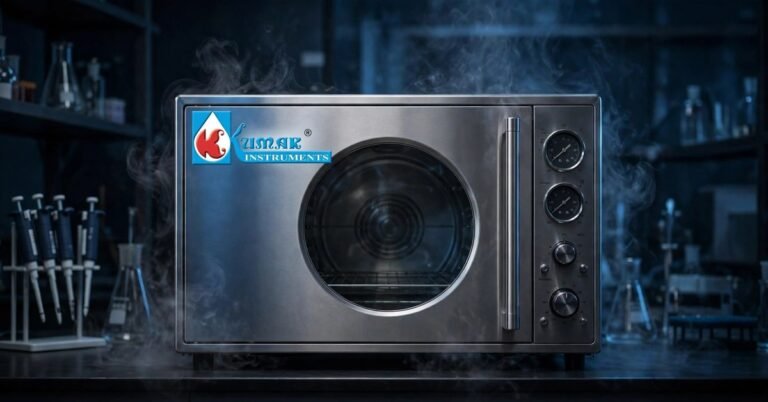
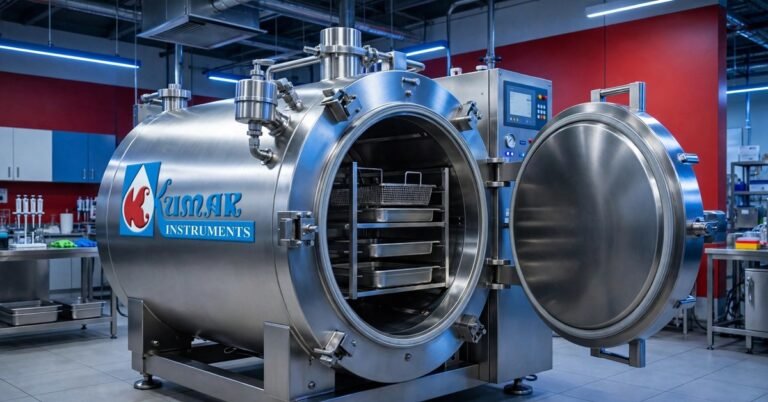
Every drying job in a lab looks simple until the material fights back. Heat it a little too much and a pharmaceutical intermediate degrades. Rush the drying and residual solvent stays trapped inside a polymer sample. If your lab in Surat works with delicate materials, a Vacuum Oven is the tool that lets you dry thoroughly at temperatures your material can survive. Lowering the chamber pressure lowers the boiling point of moisture and solvents, so water and volatiles leave the sample without damaging heat.
Surat’s industrial mix makes this especially relevant. Diamond processing units dry polishing compounds and treated stones. Textile labs dry dyed fabrics, coated samples, and chemical auxiliaries before testing. Chemical units dry solvents, resins, and intermediates that cannot take aggressive heat. In all three settings, the question is the same: how do you get the moisture out without changing what the material is. This article explains how a vacuum oven answers that question, and how to use one well.
Why Lower Pressure Changes Everything About Drying
A conventional hot air oven dries by heat alone. You set the temperature, hot air circulates, and moisture evaporates. That works fine for stable materials like glassware or metal parts. But many lab materials start to degrade, oxidise, or change colour well below the temperature a hot air oven needs to dry them efficiently. You end up choosing between incomplete drying and a damaged sample, and neither result is acceptable for QC work.
A vacuum oven breaks that trade-off. By pumping air out of the chamber, it drops the pressure, and at lower pressure, liquids boil at lower temperatures. Water that needs 100 degrees to boil at normal pressure will evaporate readily at 40 or 50 degrees under a good vacuum. Your heat-sensitive intermediate dries completely at a temperature it can tolerate, and its chemistry stays exactly as it was.
A second benefit labs often overlook: the vacuum also removes oxygen from the chamber. Many materials, especially fine chemicals and certain polymers, oxidise when heated in air. Drying them in a near-oxygen-free environment prevents discolouration and surface changes that would ruin a test result. For Surat’s chemical labs working with reactive intermediates, this alone justifies the equipment.
Matching the Oven to Your Material and Your Workload
Not every vacuum oven suits every lab, and the differences that matter are practical ones. Chamber size comes first. A small bench-top unit handles the daily drying load of a QC lab that processes a handful of samples. A production-support lab that dries larger batches, or a textile lab drying fabric swatches and coated panels, needs a bigger chamber. Measure your largest typical load before you shortlist models, not after.
Temperature range and control accuracy come next. Most routine drying happens between 40 and 150 degrees, but what matters is how steadily the oven holds the set temperature across the whole chamber. Hot spots are the enemy of heat-sensitive work. An oven with good uniformity means the sample at the back corner dries the same way as the one in the centre, and you stop getting those puzzling cases where one replicate passes and another fails.
The vacuum system itself deserves attention. Check how deep a vacuum the unit can pull and hold, and how quickly it gets there. A lab that dries aqueous samples all day needs a reliable pump and a chamber that holds vacuum without constant topping up. Ask about the pump type and maintenance needs too. A vacuum oven is only as dependable as the pump behind it, and a supplier who can service both is worth more than a slightly lower price.
What Surat’s Industries Dry in a Vacuum Oven
Diamond processing is one of Surat’s signature industries, and its labs deal with materials that need gentle handling. Polishing compounds, treated stones, and coated abrasives all go through stages where moisture must be removed without thermal shock. A vacuum oven gives process engineers a controlled way to dry these materials at low temperatures, keeping their surface properties intact for the next stage of work.
Textile laboratories use vacuum ovens for a different set of jobs. Dyed fabric samples need drying before colour fastness testing, and the drying conditions themselves must not shift the shade. Chemical auxiliaries, sizing agents, and coating formulations often contain heat-sensitive components that a hot air oven would alter. Drying these under vacuum keeps the test sample representative of the real product.
Chemical units around Surat dry some of the trickiest materials of all: solvent-wet intermediates, hygroscopic powders, and resin samples where residual volatiles affect the next reaction step. Here the vacuum oven is not a convenience, it is a necessity. An intermediate that still holds solvent can throw off a reaction yield or contaminate a batch. Thorough low-temperature drying is the difference between a clean process and a troubleshooting exercise.
Running a Vacuum Oven the Right Way
Good results start with loading. Spread samples in thin, even layers in shallow trays, leaving space between trays for vapour to escape. Piling material deep in a dish defeats the purpose: moisture at the bottom must travel through the whole mass. Thin layers dry faster and more uniformly, letting you use lower temperatures with confidence.
Set the temperature from the material’s tolerance, not from impatience. Look up or determine the highest temperature your material can take without change, then set the oven a few degrees below it. The vacuum does the heavy lifting on drying speed, so you do not need to push the temperature. Labs that crank the heat “to finish faster” usually end up rerunning the test after the sample discolours.
Watch the vacuum gauge during the run. A gauge creeping up tells you vapour is being released, normal early on. A gauge that will not hold vacuum points to a leak: check the door gasket, seals, and pump oil level. Gaskets wear out, and a tired gasket is the most common reason an older oven starts underperforming. Replacing it is a small job that restores full performance.
Mistakes That Ruin Samples and Waste Time
The costliest mistake is drying at atmospheric pressure by forgetting to start the pump or leaving a vent open. The sample then sits in a warm chamber with no vacuum benefit, drying slowly while exposed to heat and oxygen. Make the pump start part of your written procedure, and add a gauge check five minutes into every run. It takes seconds and catches the error before any damage is done.
The second mistake is pulling samples out too fast. Opening the chamber suddenly lets room air rush onto hot, dry material, and hygroscopic samples start reabsorbing moisture immediately. Worse, a rapid pressure change can disturb fine powders. Vent the chamber slowly, let the load cool with the door cracked or in a desiccator, and weigh or test promptly. The drying is only as good as the handling after it.
The third mistake is neglecting the pump. Vacuum pump oil absorbs moisture and solvents over time, and dirty oil means a weaker vacuum. Check the oil sight glass regularly, change the oil on schedule, and keep a spare bottle on the shelf. A surprising number of “oven problems” that labs report turn out to be pump maintenance problems, fixed in ten minutes once someone looks.
Keeping the Oven Accurate and Reliable for Years
Calibration keeps your drying conditions honest. Controllers drift over time, and a display reading 60 degrees while the chamber sits at 68 can quietly damage heat-sensitive work. Map the temperature across the chamber at least once a year, and keep the records with your other calibration certificates. In regulated labs, this documentation matters as much as the drying itself.
Clean the chamber regularly, but gently. Residues from spilled samples bake onto the interior and can contaminate the next load. Wipe down the chamber with a suitable solvent and a soft cloth after any spill, and schedule a deeper clean periodically. Never use abrasive pads on the interior walls, and keep the door gasket free of residue so it seals properly every time.
Plan for the consumables. Gaskets, pump oil, and filters are the parts you will replace over the life of the oven. Buying from a supplier who stocks these parts and can service the equipment saves you from the classic situation: an oven sitting idle for weeks while a gasket is sourced. Kumar Instruments has supplied laboratory equipment to Indian labs for over four decades, and that kind of long-term parts and service support is what keeps an oven productive well past its first decade.
Frequently Asked Questions
What is the main advantage of a vacuum oven over a hot air oven?
A vacuum oven dries at much lower temperatures because reduced pressure lowers the boiling point of moisture and solvents. This protects heat-sensitive materials from degradation, and the low-oxygen environment prevents oxidation during drying. A hot air oven offers neither benefit.
What temperature should I set for heat-sensitive materials?
Set the temperature a few degrees below the highest temperature your material tolerates without change. The vacuum handles drying speed, so there is no need to push the heat. When in doubt, start lower and extend the drying time rather than risking damage.
Why is my vacuum oven not holding vacuum?
The usual causes are a worn door gasket, a leaking seal, or pump oil that needs changing. Check the gasket for cracks or flattening, inspect seals, and look at the pump oil level and condition. Most vacuum problems trace back to one of these three.
Can I dry flammable solvents in a vacuum oven?
Exercise caution. Some vacuum ovens are built with safety features for solvent work, but many standard units are not rated for flammable vapours. Check the oven’s rating and your lab’s safety policy before drying any flammable solvent, and never assume a standard oven is safe for it.
How should I handle samples after vacuum drying?
Vent the chamber slowly to avoid disturbing powders, let the load cool, and transfer hygroscopic materials to a desiccator promptly. Weigh or test without delay, because dried samples start picking up moisture from the air the moment they are exposed.
Choosing the right drying method quietly shapes the quality of everything your lab produces. If your Surat facility works with heat-sensitive materials and you are still fighting the trade-off between thorough drying and sample damage, look at vacuum drying seriously. For guidance on selecting the right unit, contact Vacuum Oven supplier Kumar Instruments, 54/5911 Sadar Thana Rd, Basti Harphool Singh, Sadar Bazar, New Delhi 110006, phone +91 98994 63478. Tell them what you dry and at what scale, and they will help you match the oven to the work.